Learn the flags of Europe
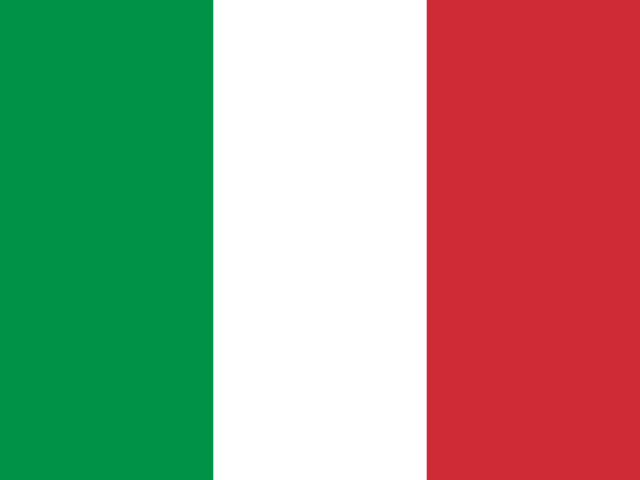
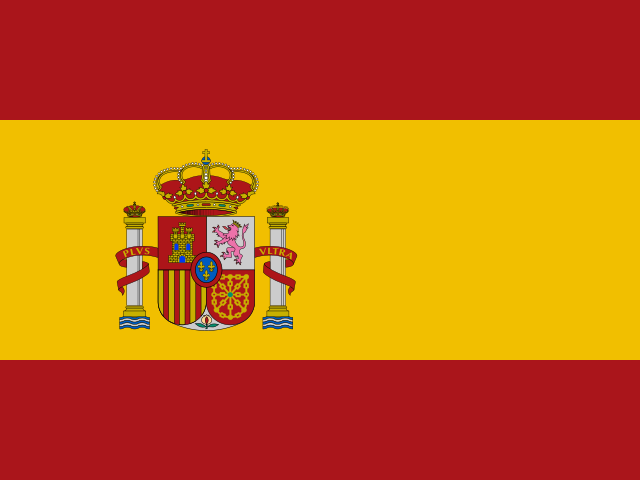
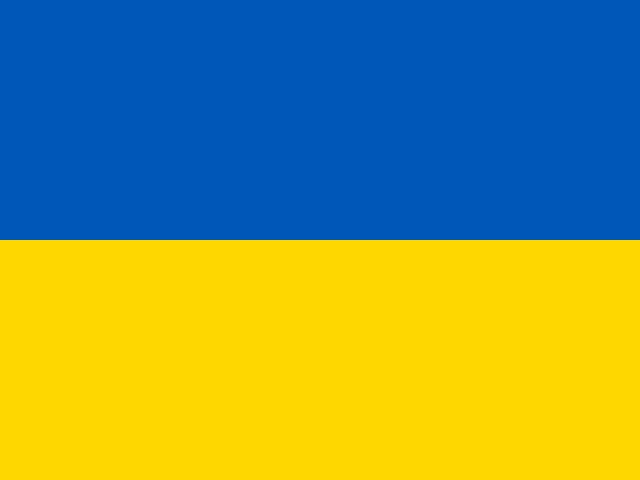
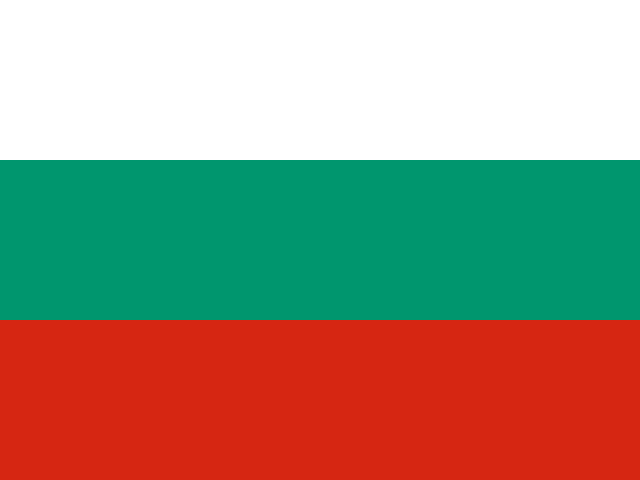
← Back to Mind the MapEurope has 46 countries and, at first glance, about nine flags: everything looks like a tricolour. That's actually the way in. Most European flags belong to families, and once you know the family you only need the detail that separates its members.
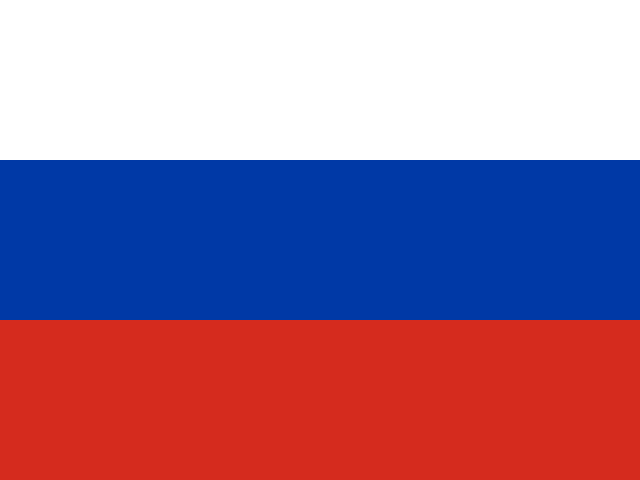
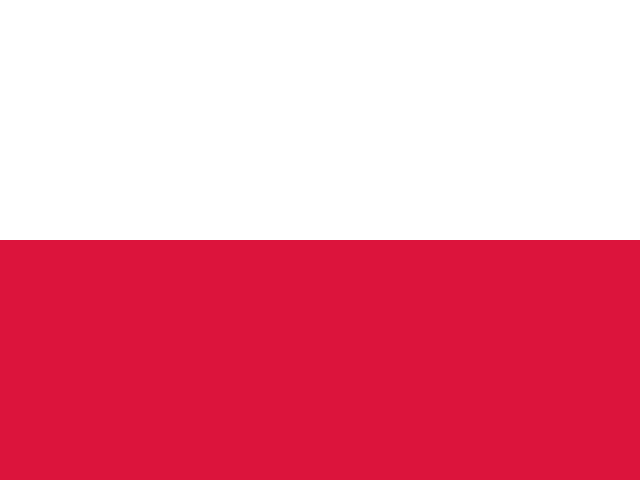
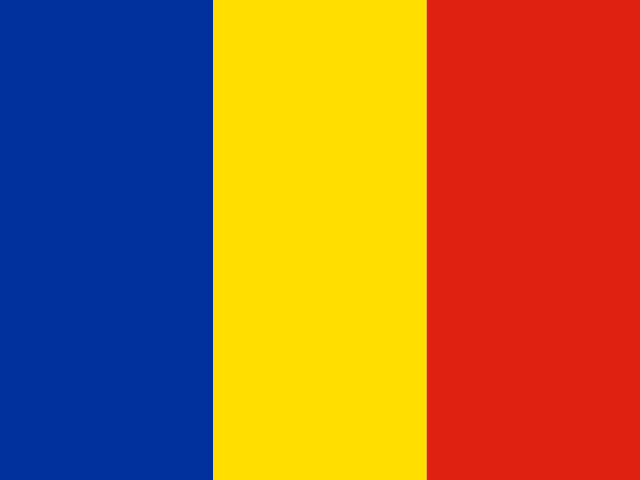
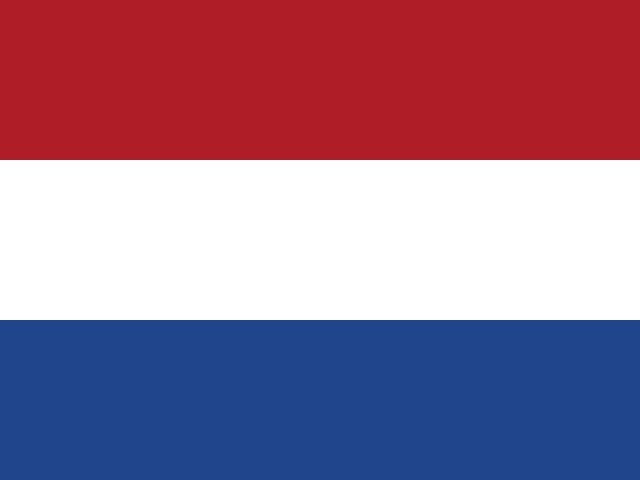
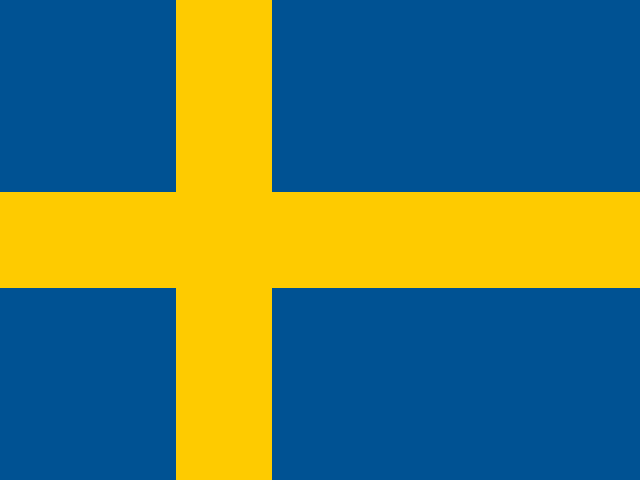
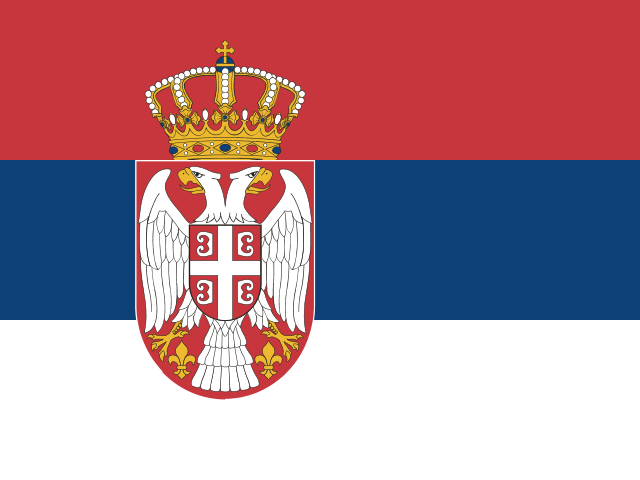
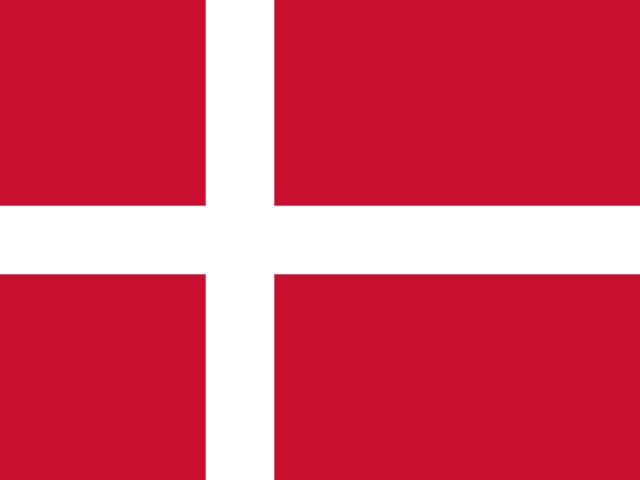
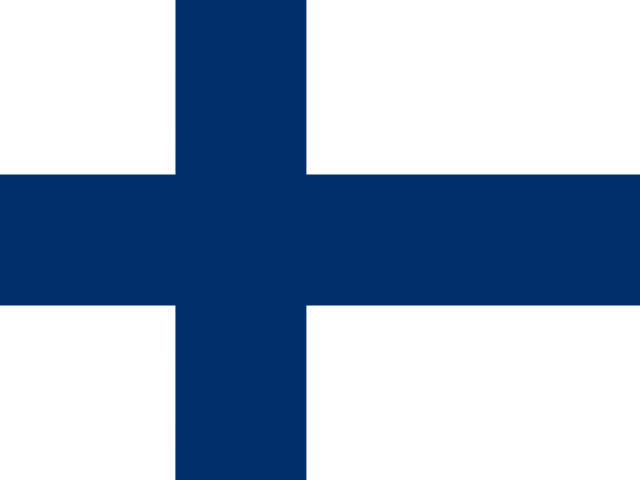
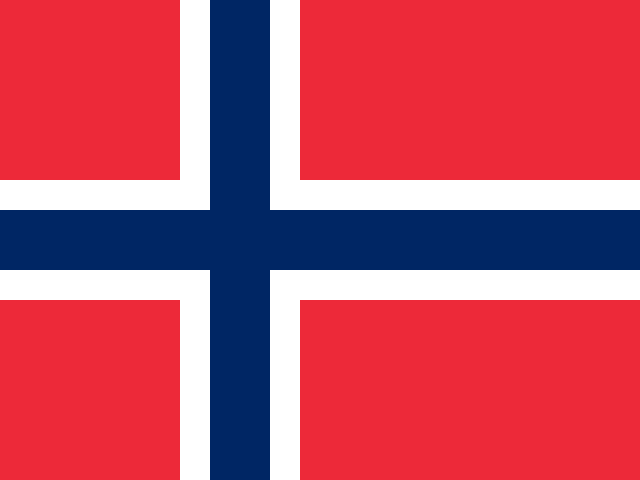
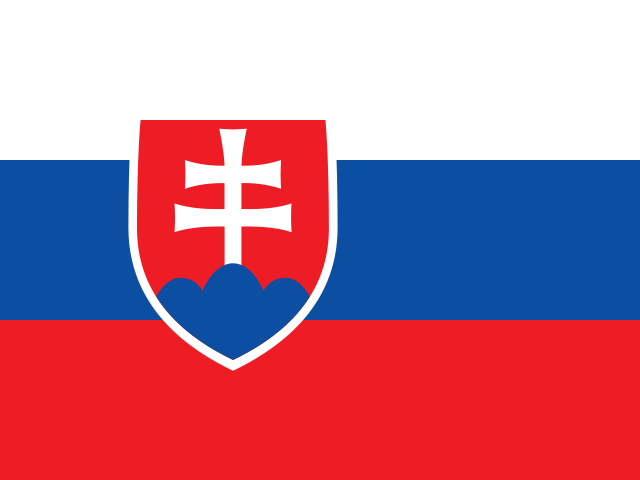
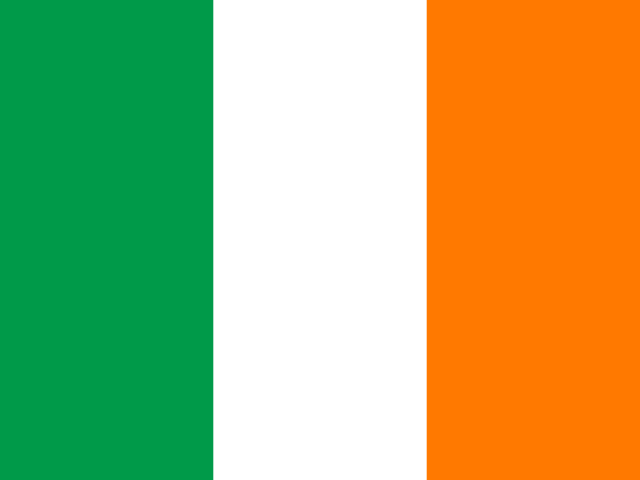
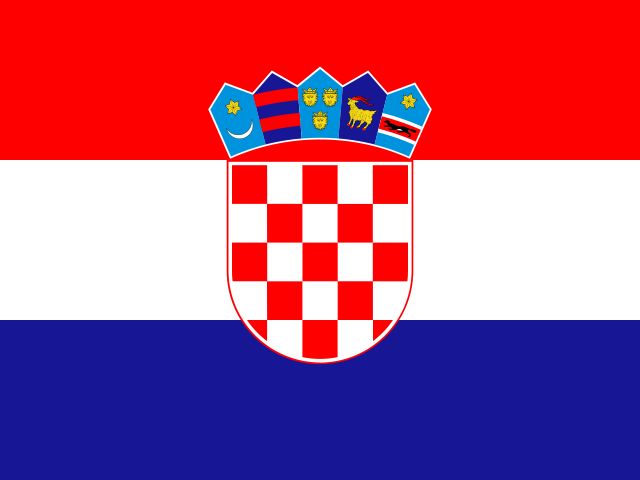
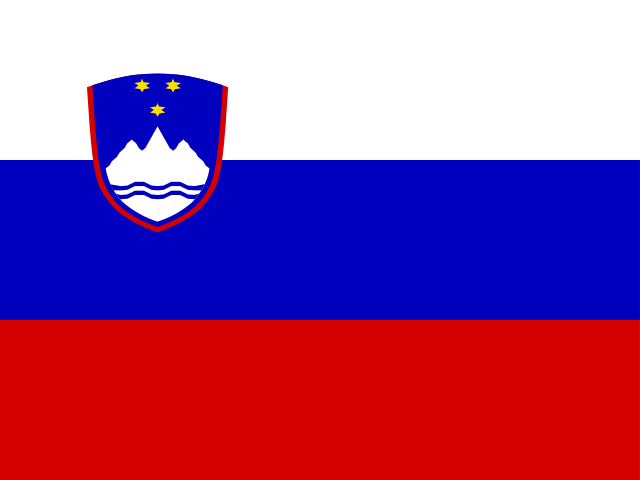
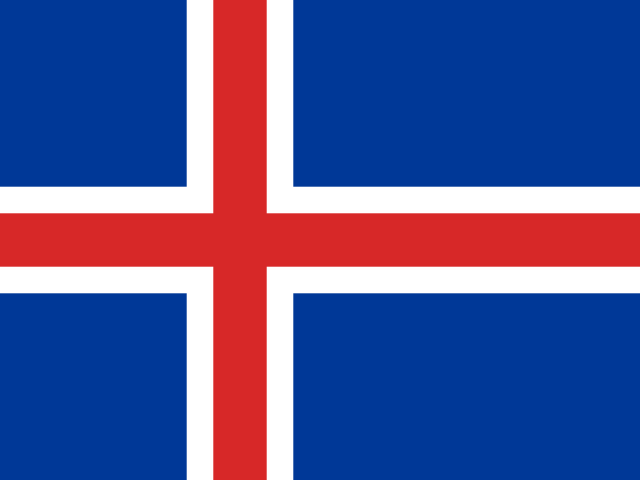
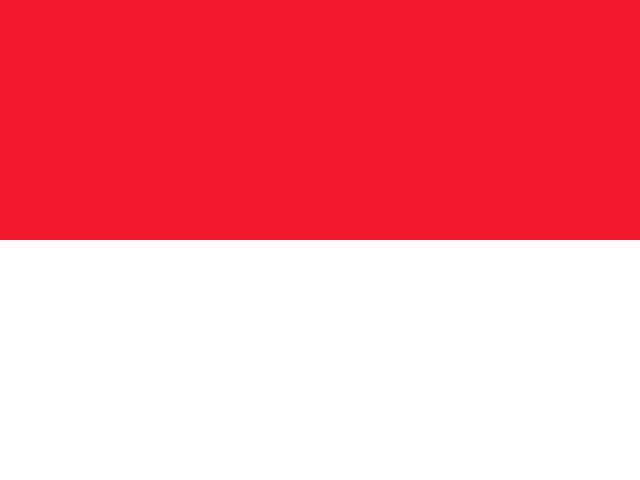
The Nordic cross covers five in one go: Denmark, Sweden, Norway, Finland and Iceland all use the same off-centre cross, just in different colours (and Norway and Iceland are each other's colours swapped). The pan-Slavic white, blue and red runs through Russia, Slovakia, Slovenia, Serbia and Croatia; the Slovakia-Slovenia pair is one of the hardest in the world and comes down to the crest. Then there are the traps: Monaco is Indonesia (and Poland upside down), Ireland mirrored is Ivory Coast, Romania is nearly Chad, and the Netherlands and Luxembourg differ by a shade of blue and a slightly longer shape.
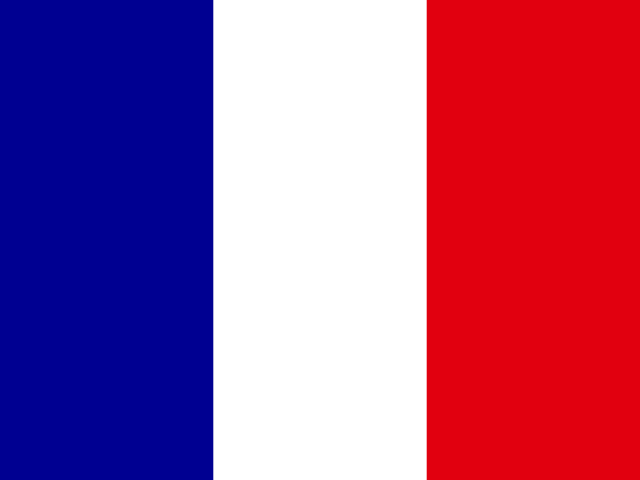
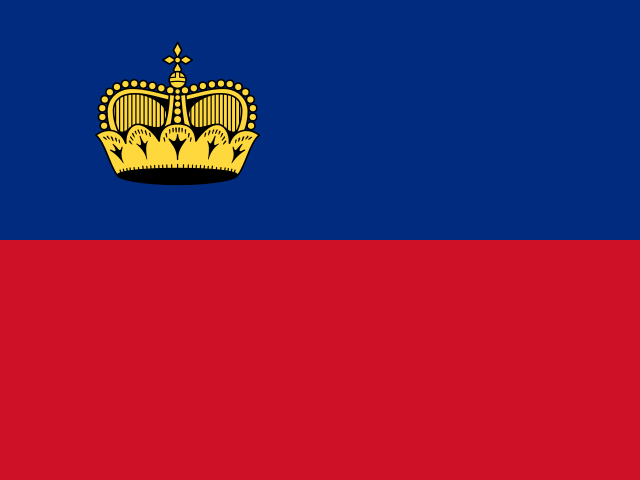
The grid below is good for a first look. To actually remember them, use Mind the Map: it quizzes you with spaced repetition, so Liechtenstein eventually sticks as well as France.
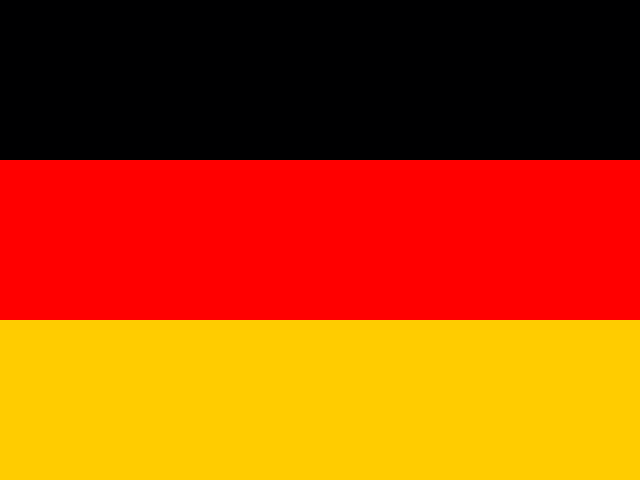
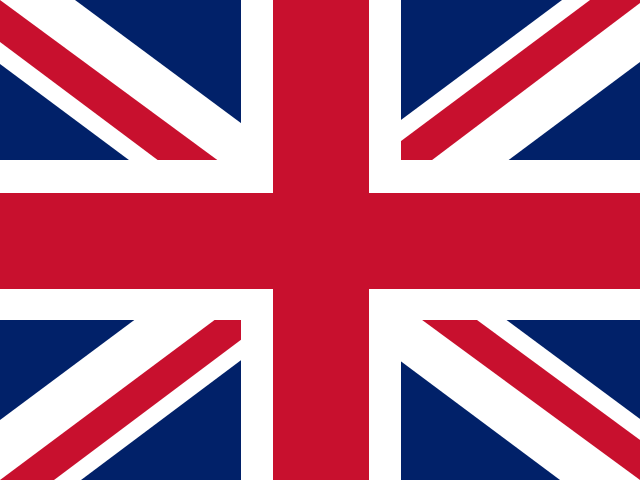
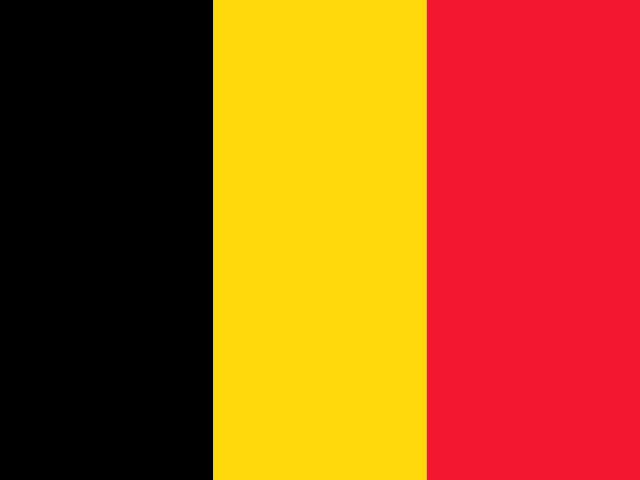
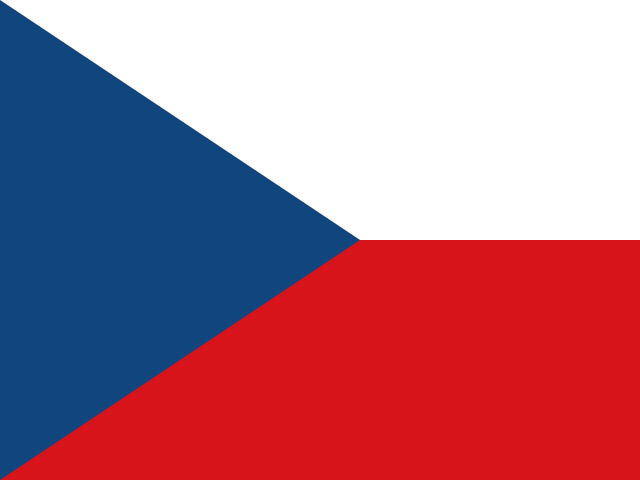
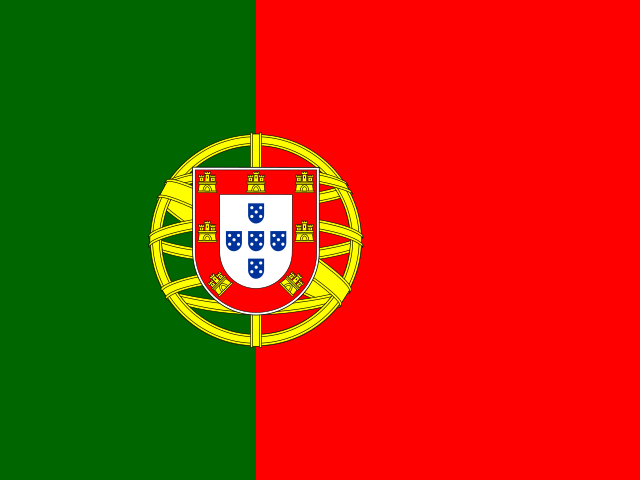
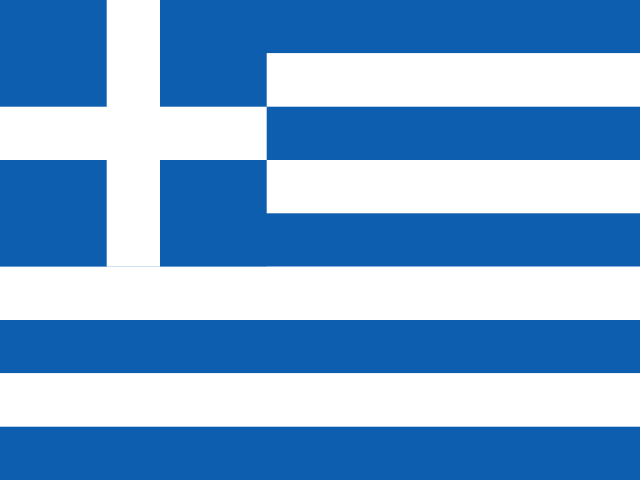
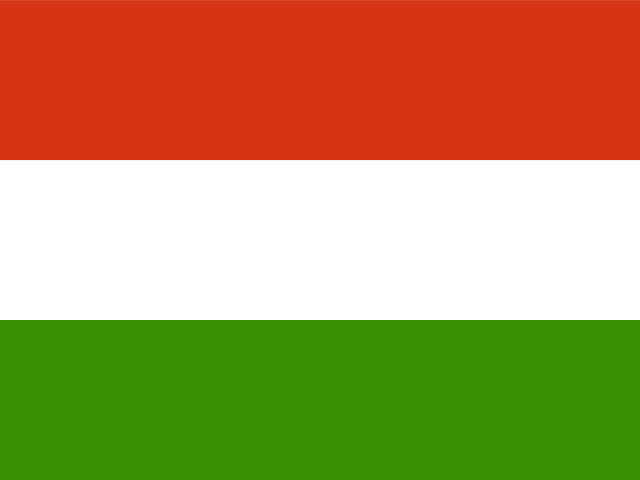
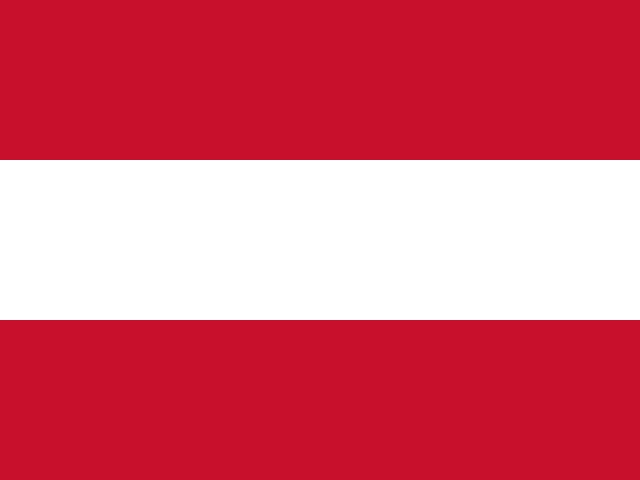
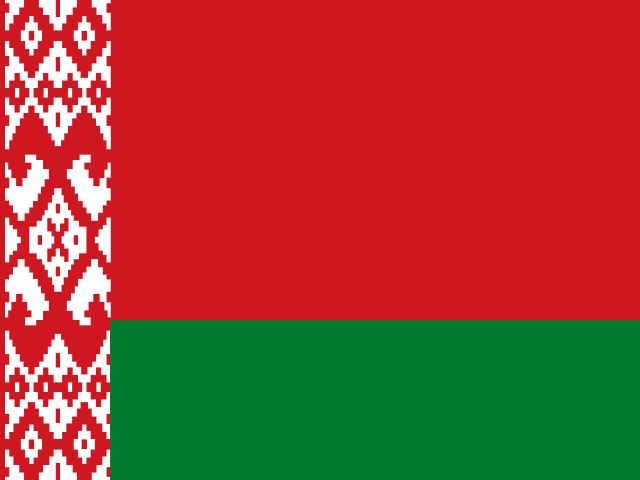
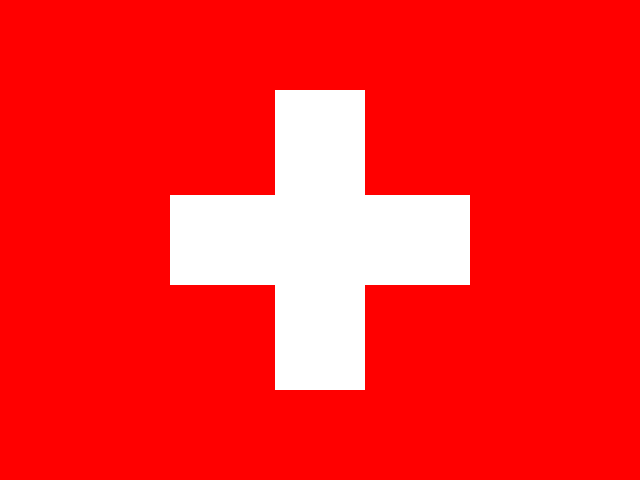
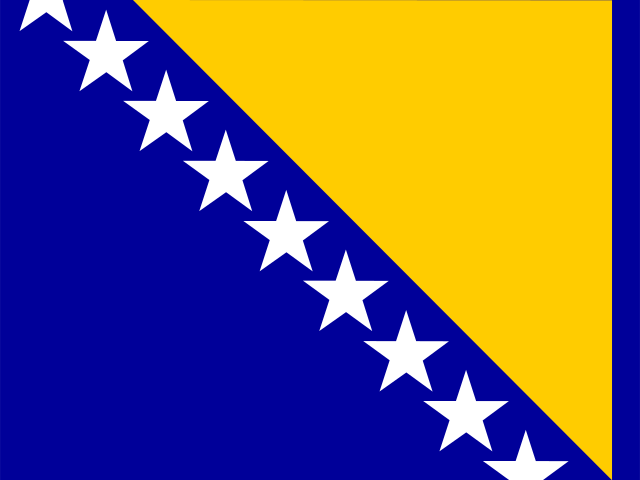
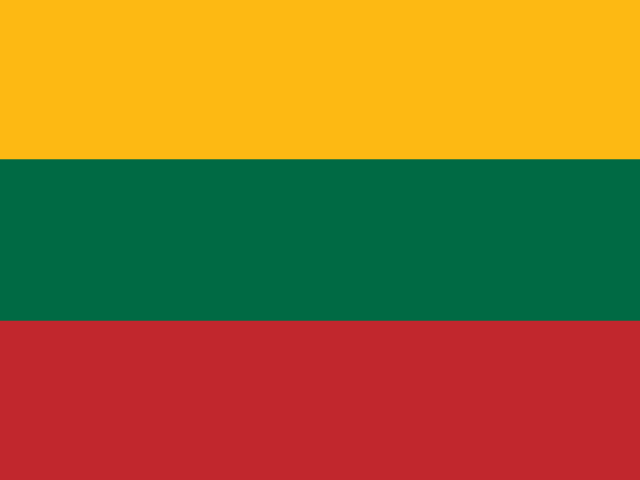
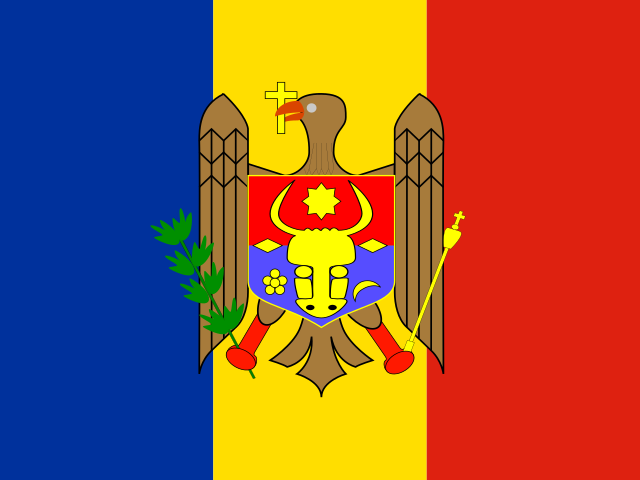
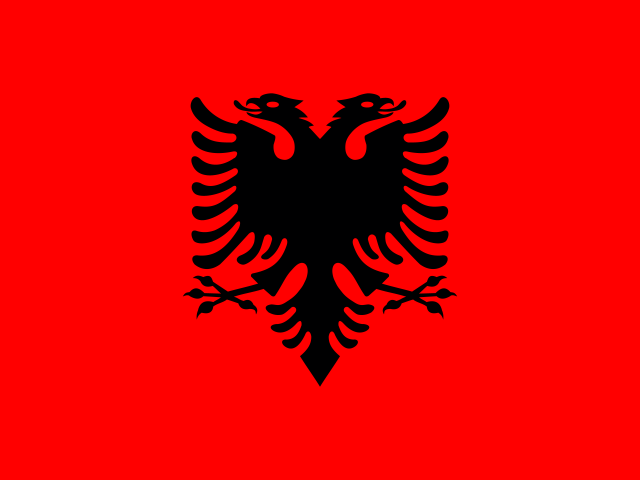
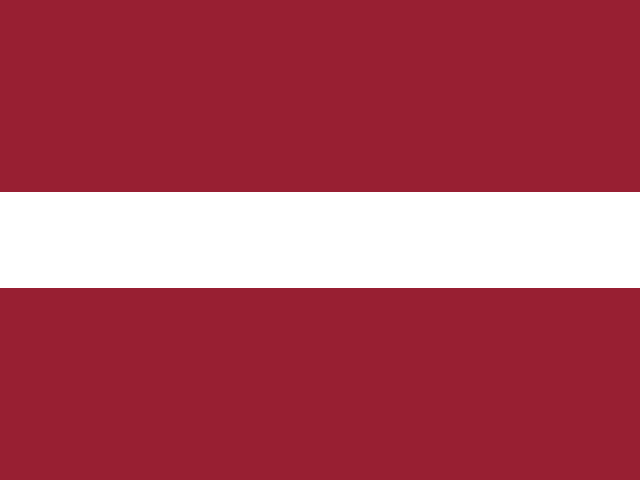
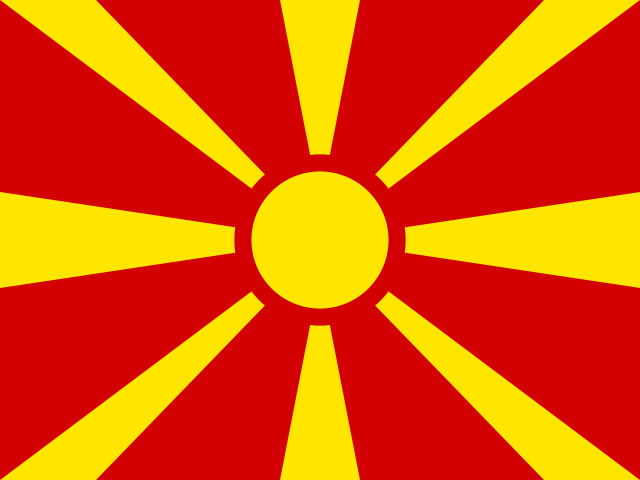
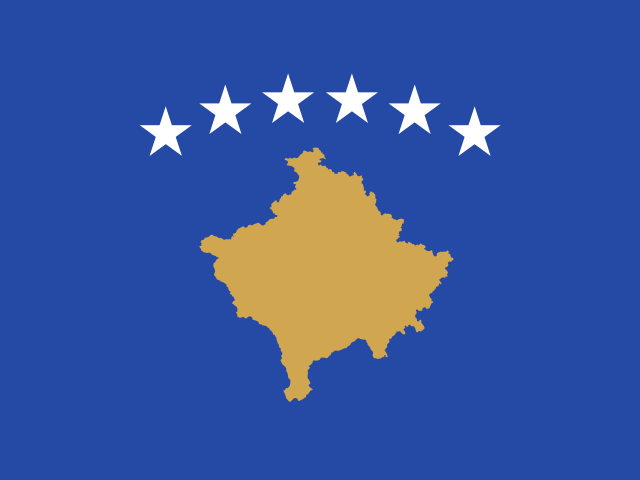
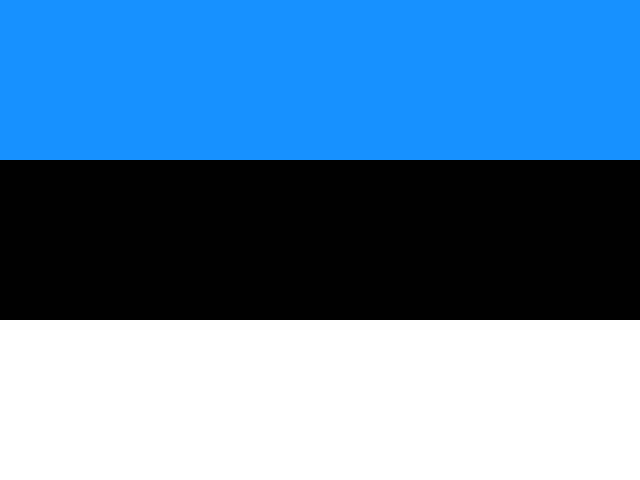
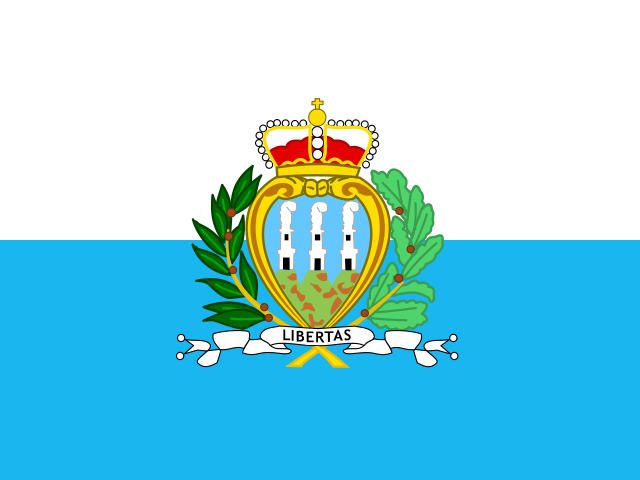
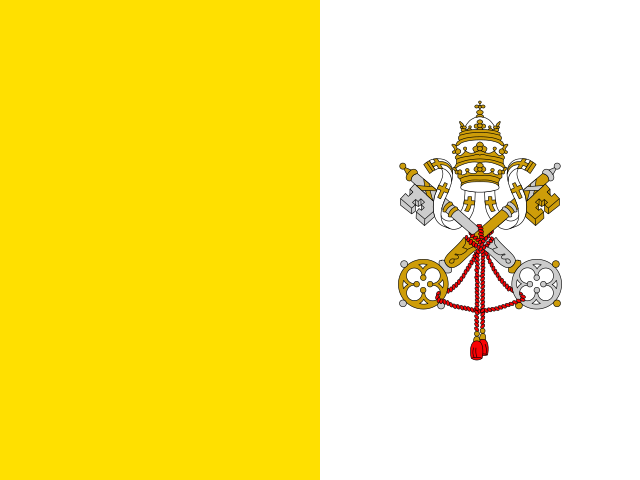
All 46 flags of Europe
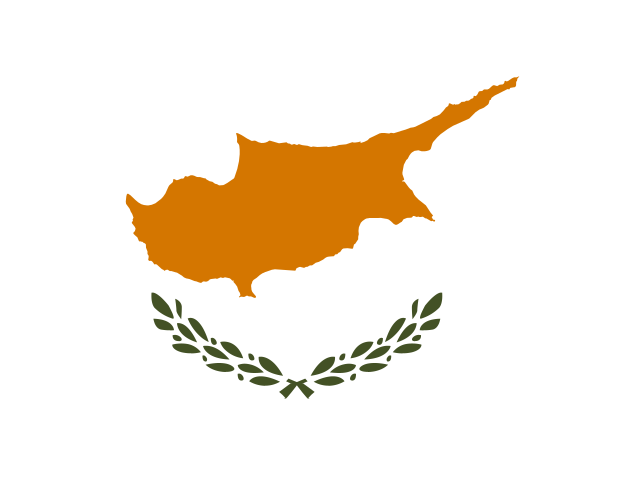
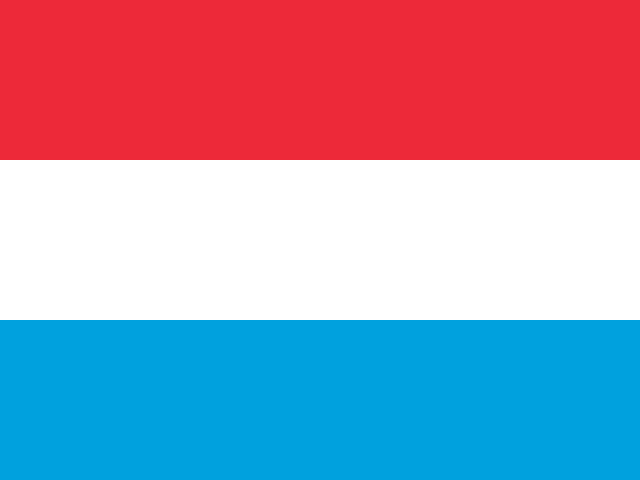
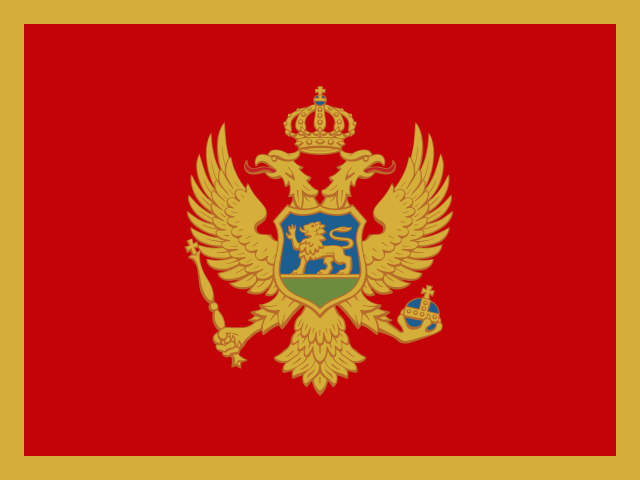
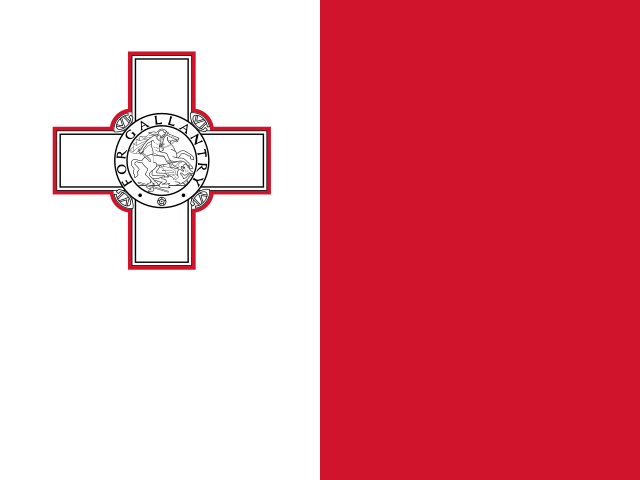
Common questions
How many countries are in Europe?
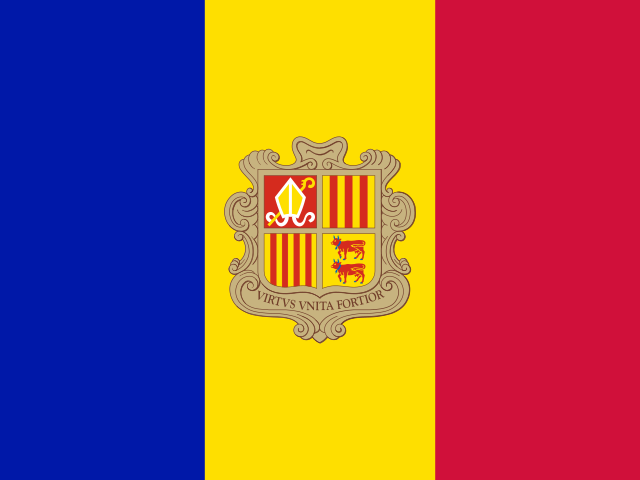
46, counting the UN members plus Vatican City and Kosovo. That includes the microstates people forget: Andorra, Liechtenstein, Monaco, San Marino and Vatican City, which is exactly where most quizzes catch you out.
Which European flags are easiest to mix up?
Slovakia and Slovenia are the classic pair: near-identical pan-Slavic stripes separated only by the crest. Watch too for the Netherlands versus Luxembourg (a shade of blue and a longer shape), and Monaco, which is Indonesia and also Poland turned upside down.
What is the fastest way to learn the flags of Europe?
Learn the families before the individual flags. The Nordic cross (Denmark, Sweden, Norway, Finland, Iceland) and the pan-Slavic white, blue and red knock out ten flags in two goes. Then drill the rest with spaced repetition so the awkward ones stick.
Other regions: Asia · Africa · Americas · Oceania · About this app