Learn the flags of Asia
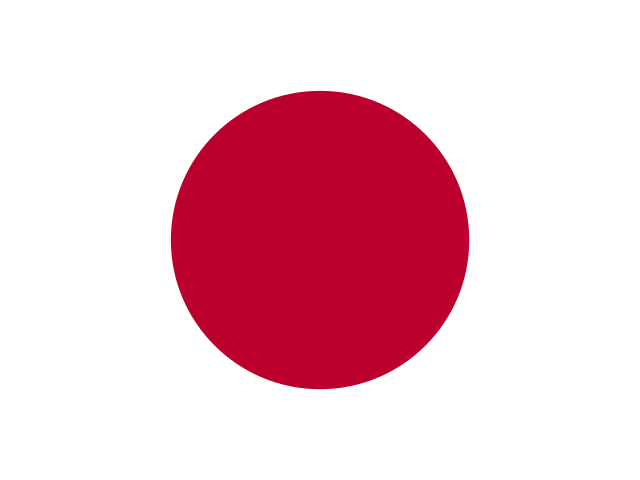
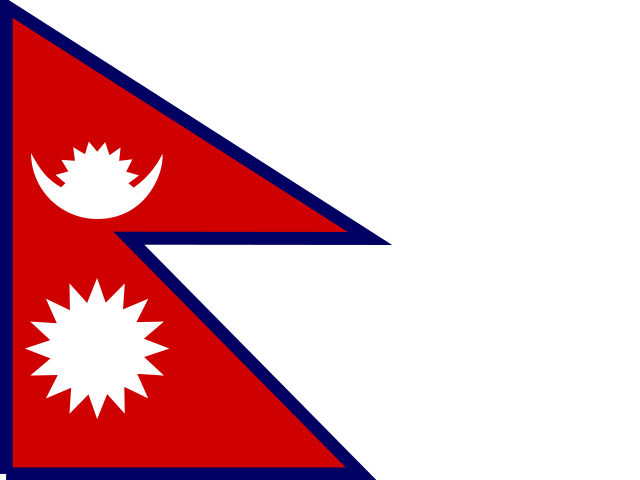
← Back to Mind the MapAsia's 48 flags run from the simplest national flag on Earth (Japan's red disc) to the only non-rectangular one (Nepal's double pennant). In between, families do a lot of the work.
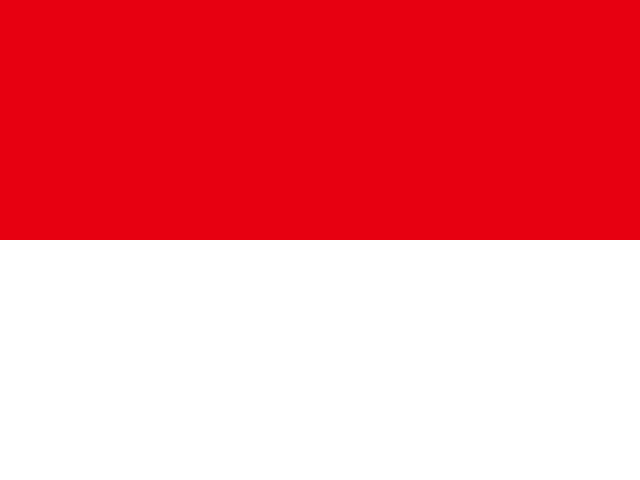
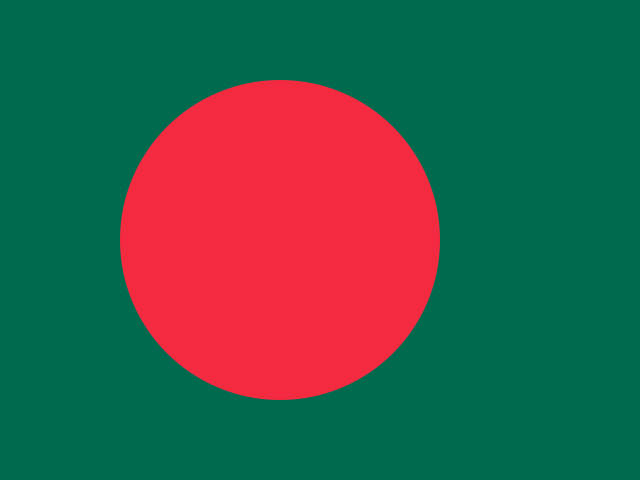
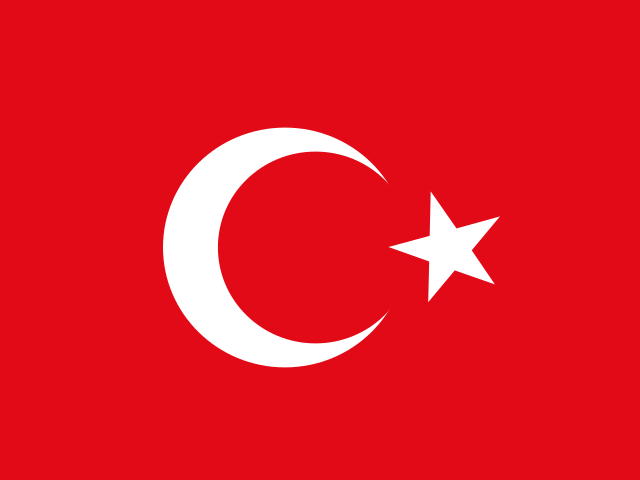
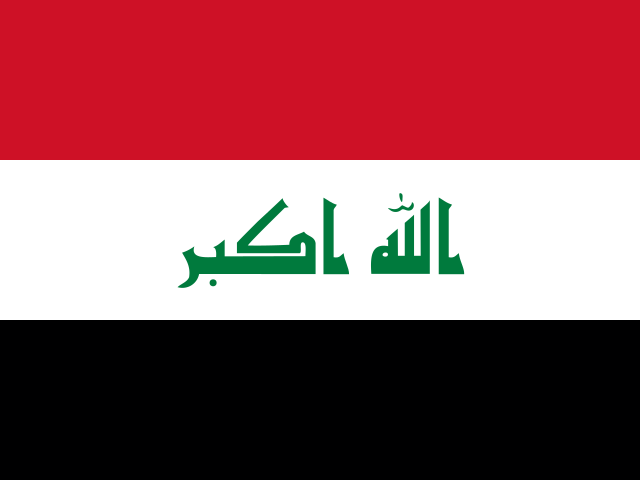
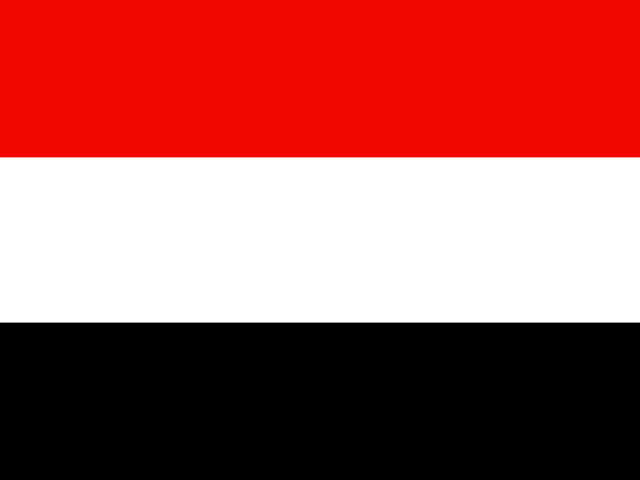
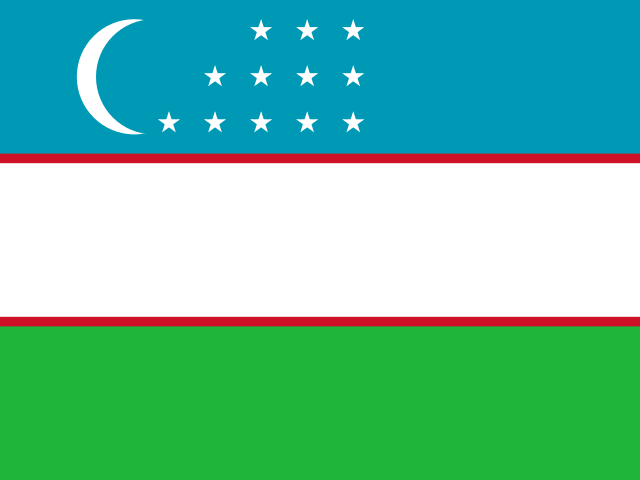
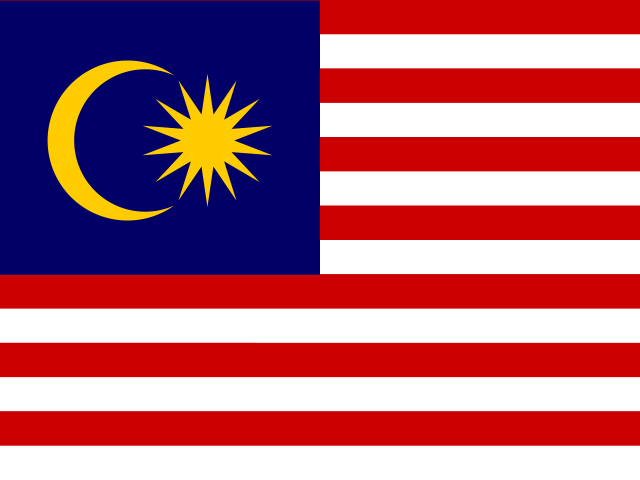
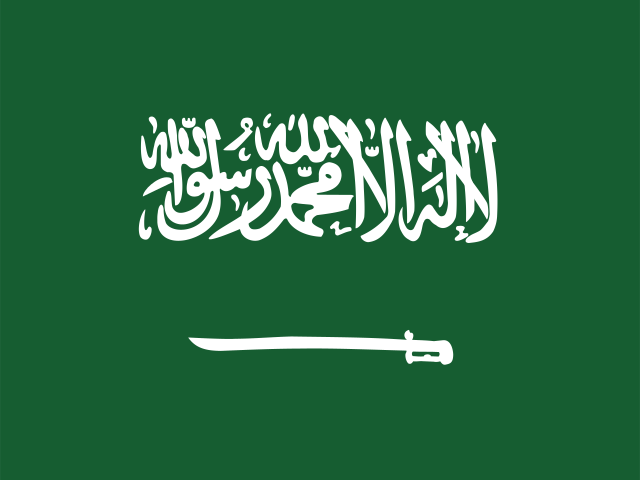
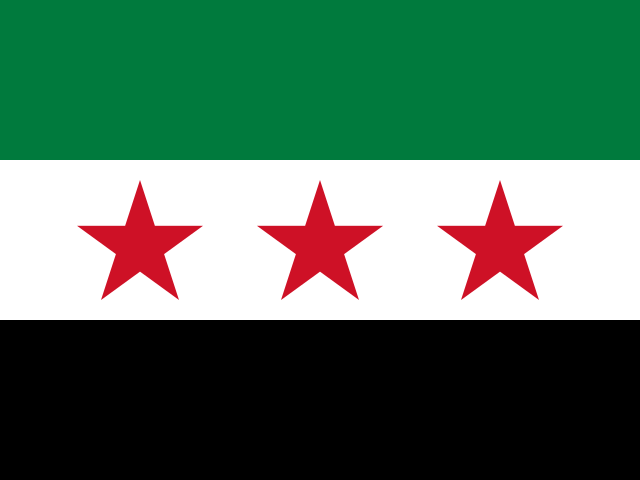
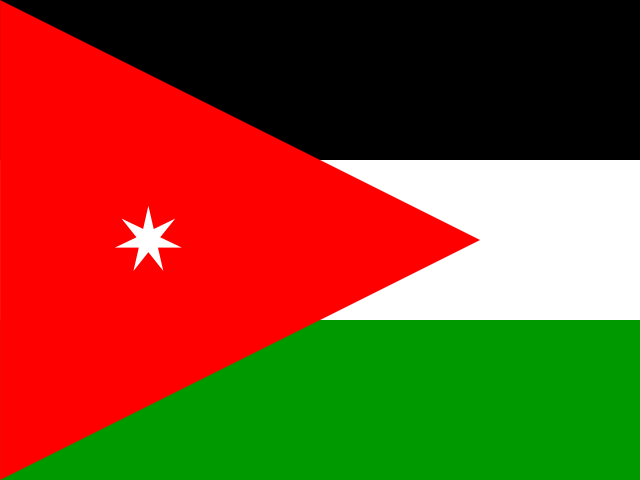
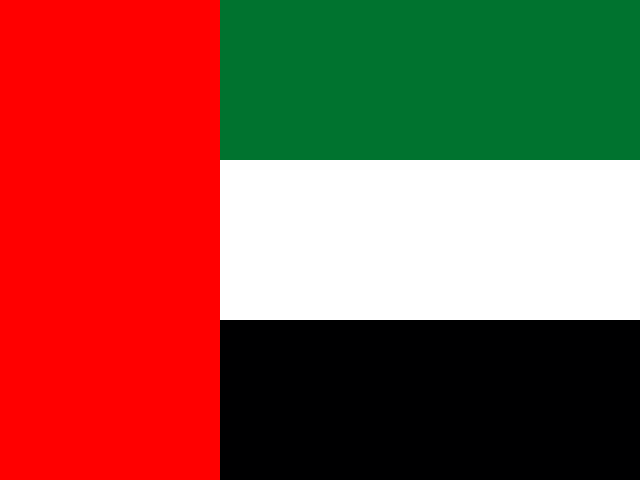
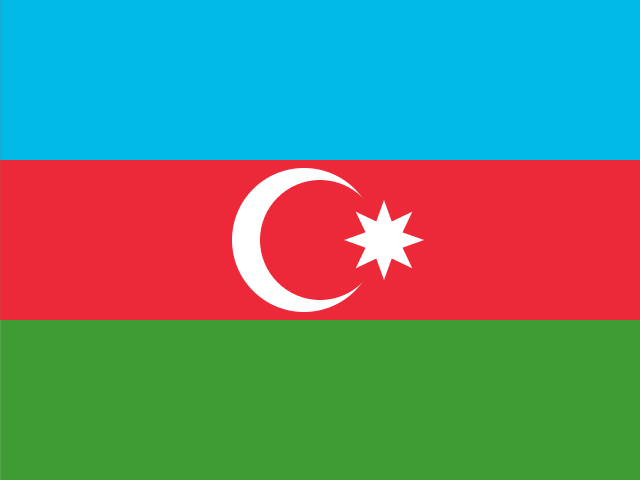
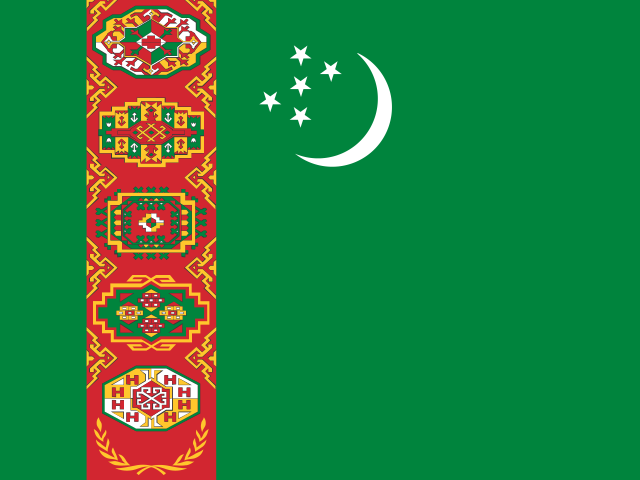
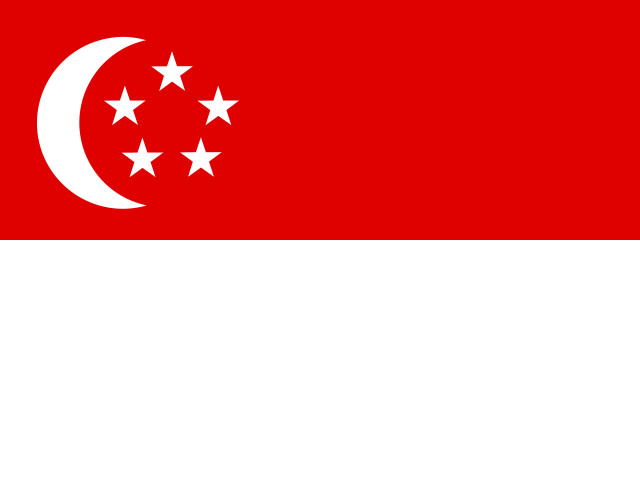
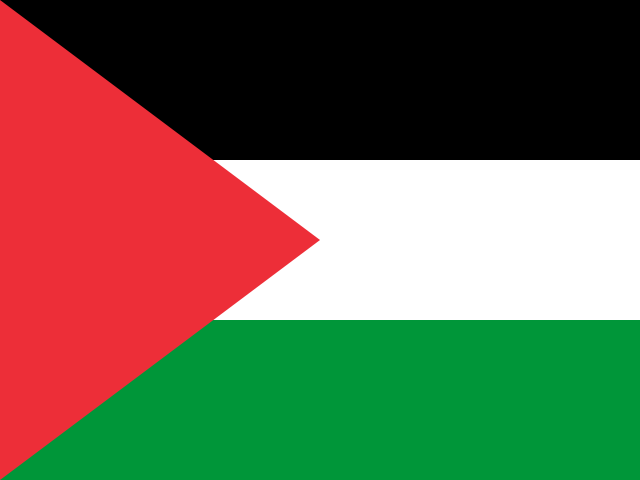
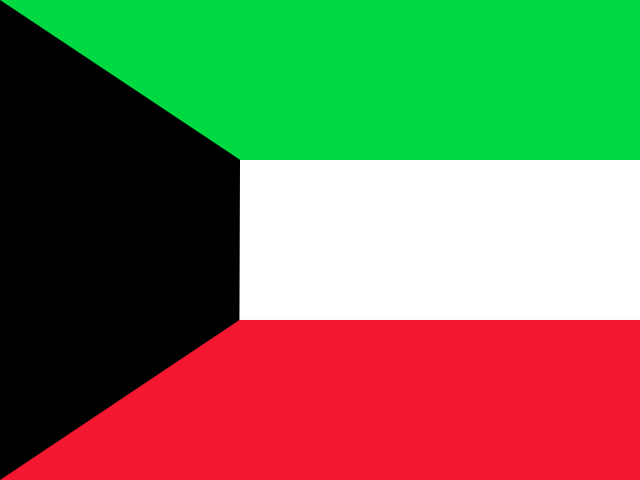
The pan-Arab black, white, green and red covers much of the Middle East: Jordan, Kuwait, the UAE, Iraq, Syria and Yemen are all rearrangements of the same four colours, so learn the arrangement, not the colours. The Turkic states (Türkiye, Azerbaijan, Turkmenistan, Uzbekistan) share the crescent and star. And red-and-white minimalism is its own trap: Japan's disc is centred, Bangladesh's is offset toward the hoist (and green), Indonesia is two plain bands, and Singapore is Indonesia with a crescent and stars in the corner.
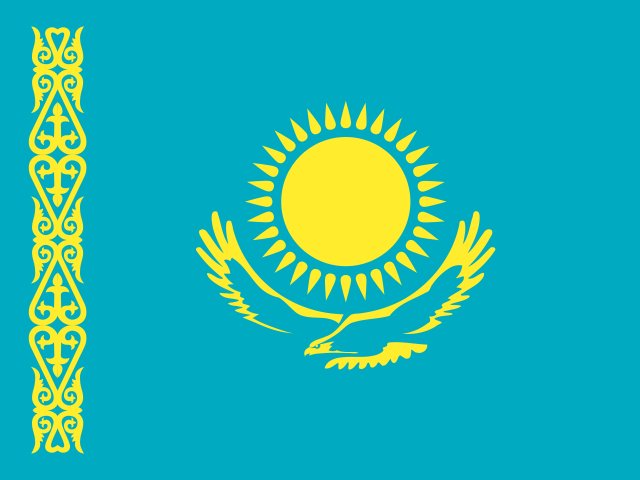
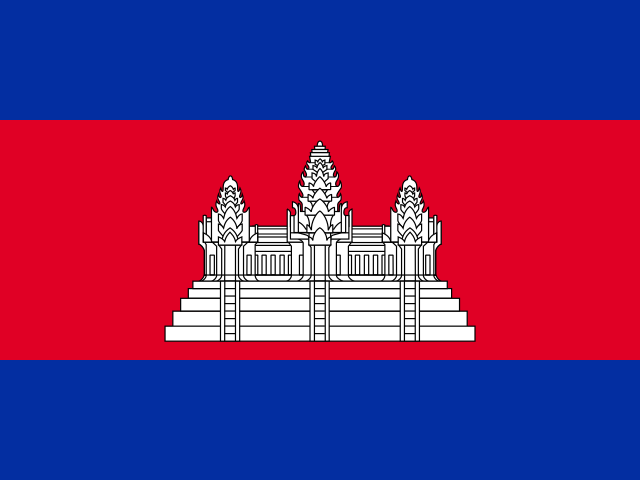
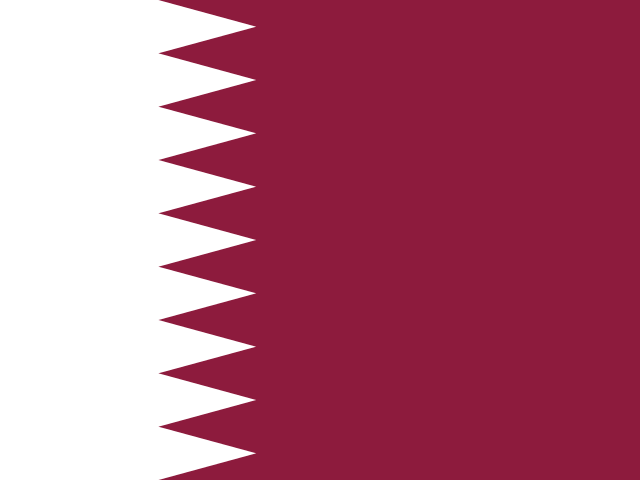
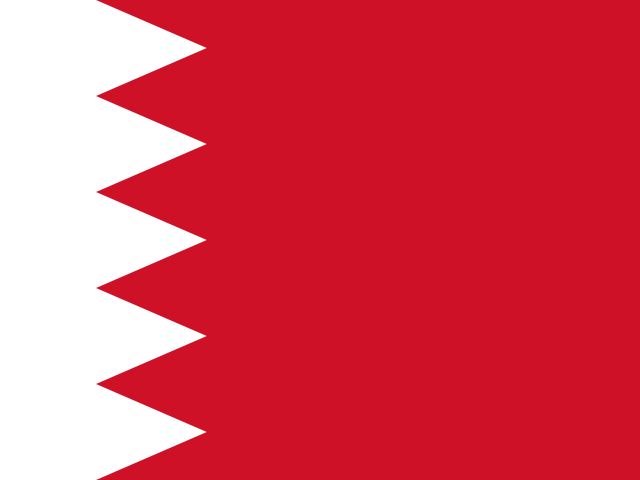
The pair everyone checks twice: Qatar and Bahrain, both serrated at the hoist. Bahrain is red with five points; Qatar is maroon with nine and a much longer flag. The grid below shows all 48; Mind the Map below it is how you keep them.
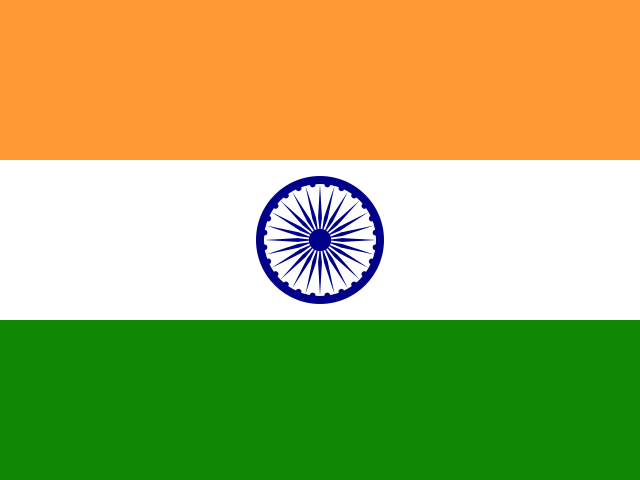
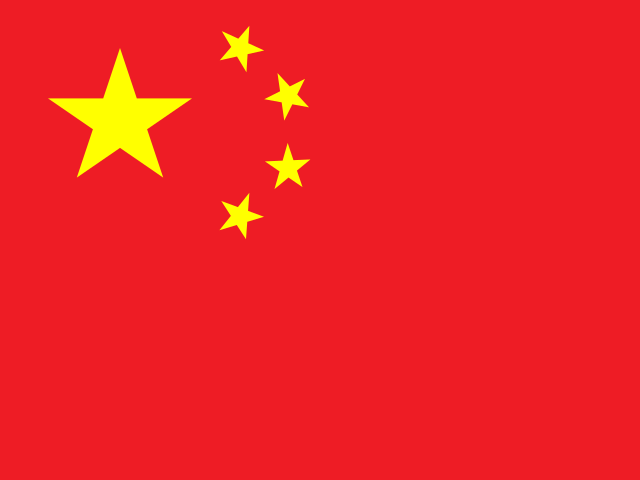
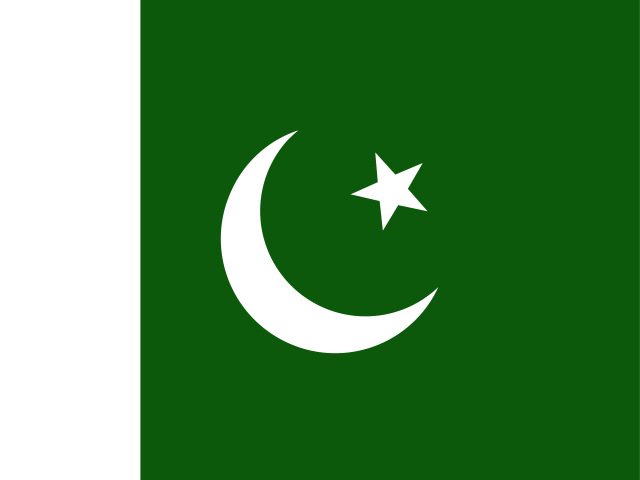
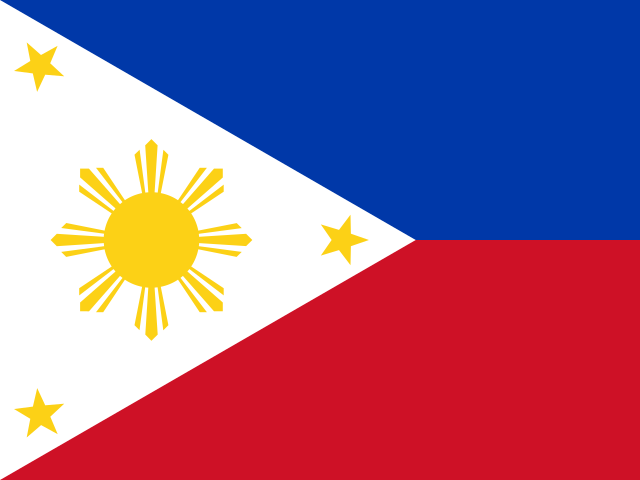
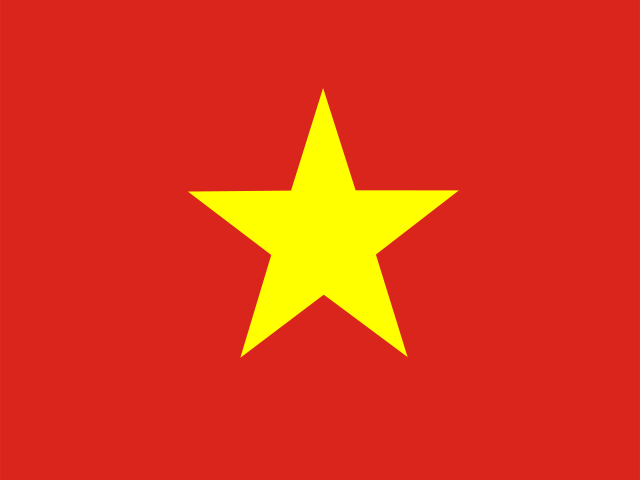
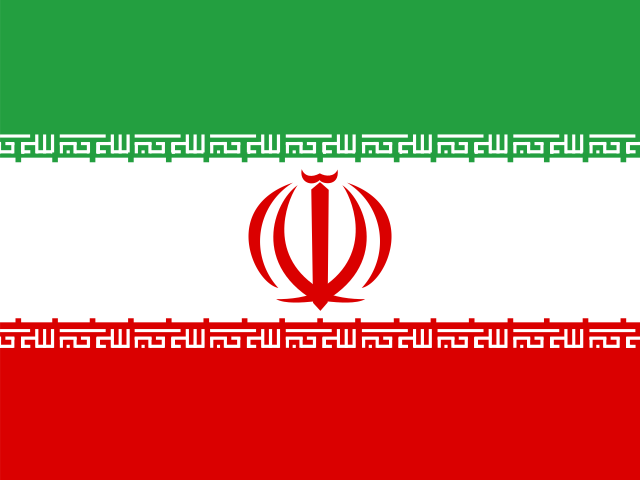
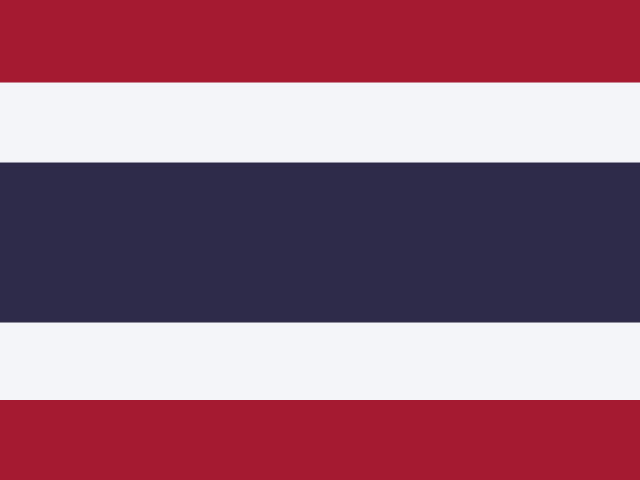
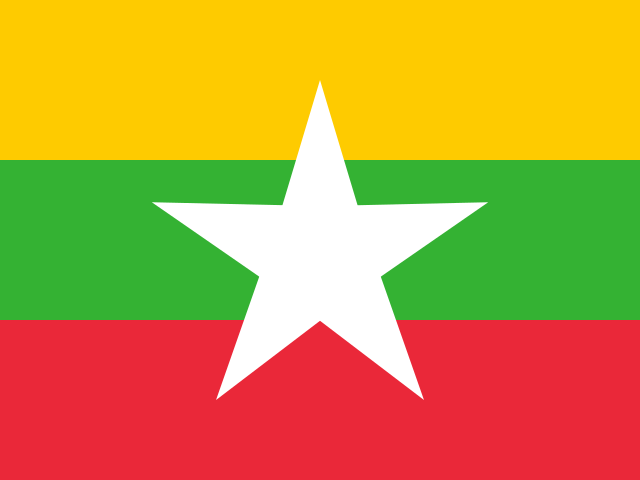
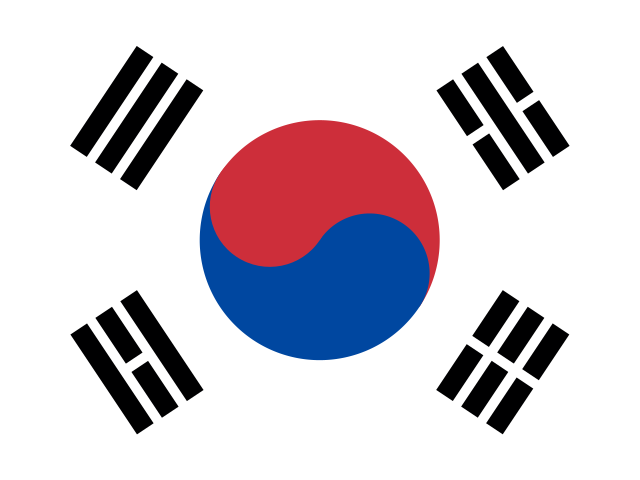
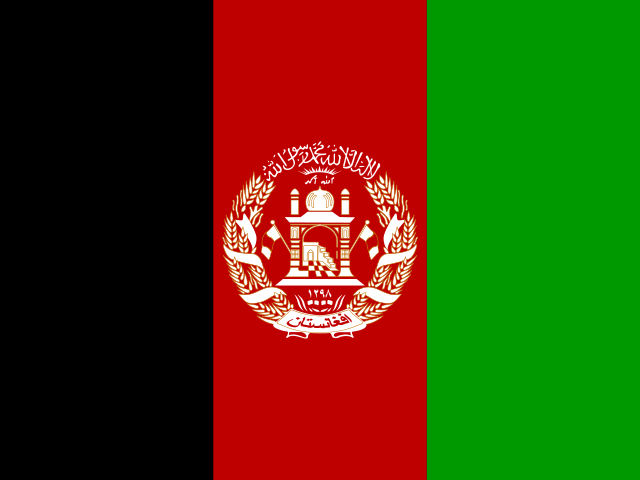
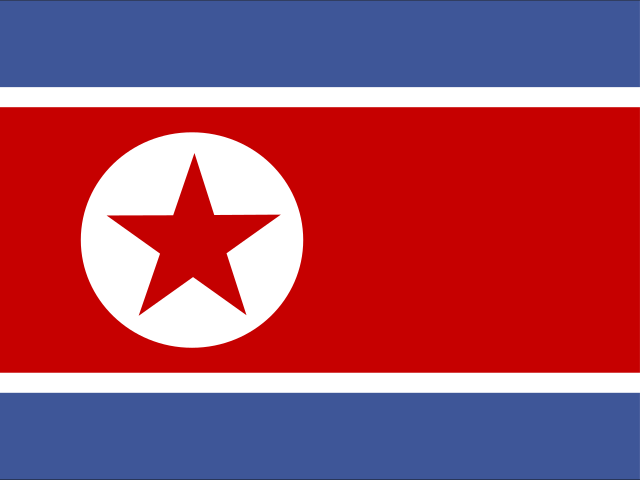
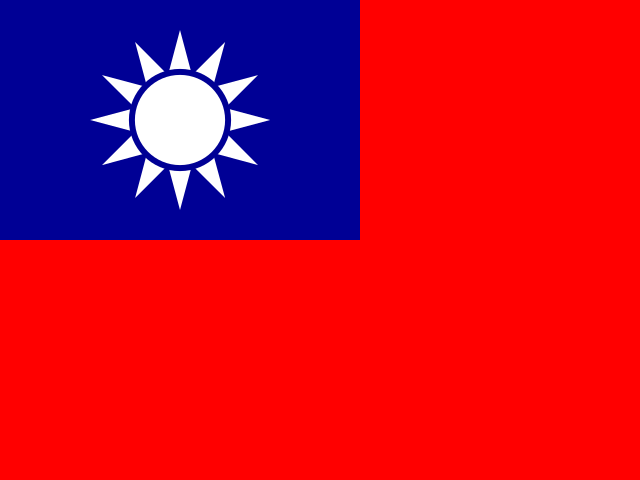
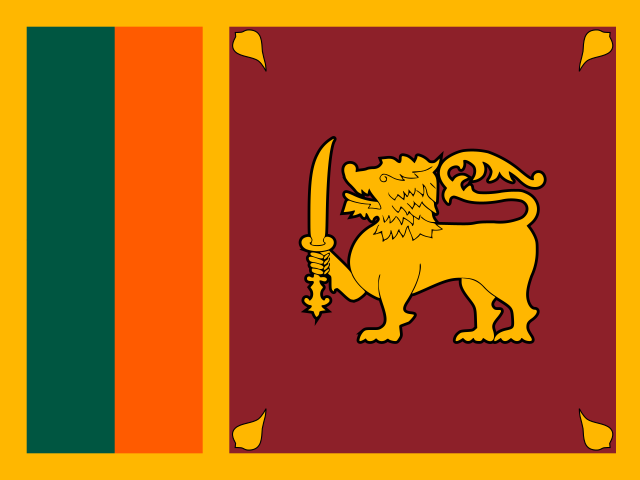
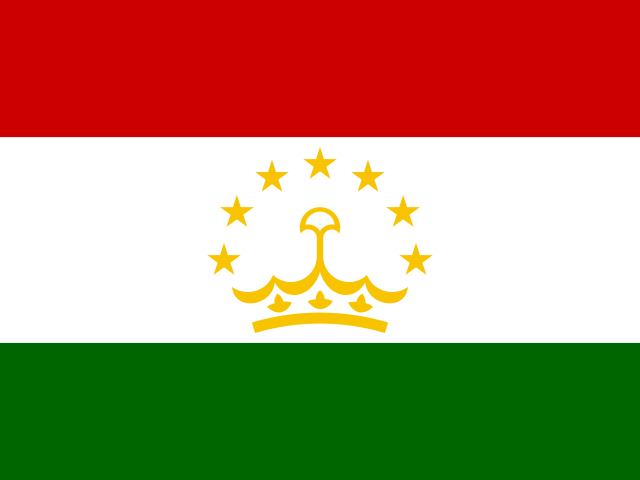
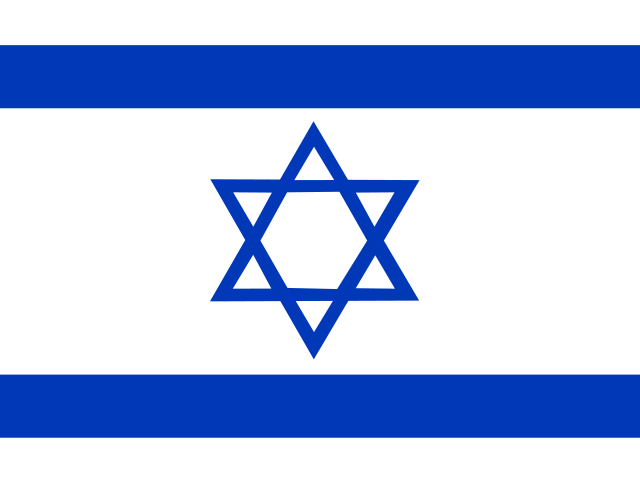
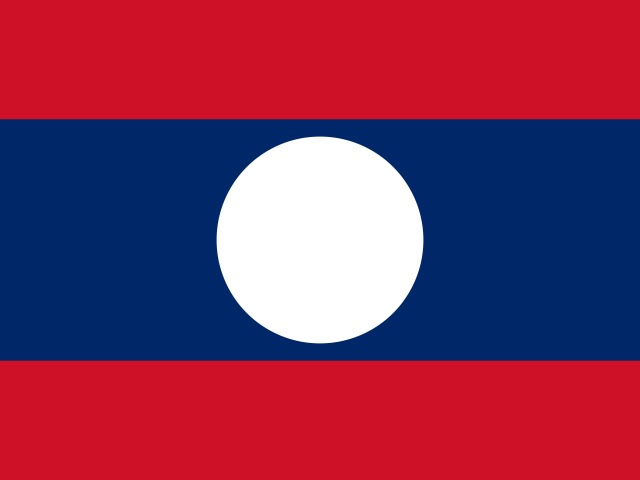
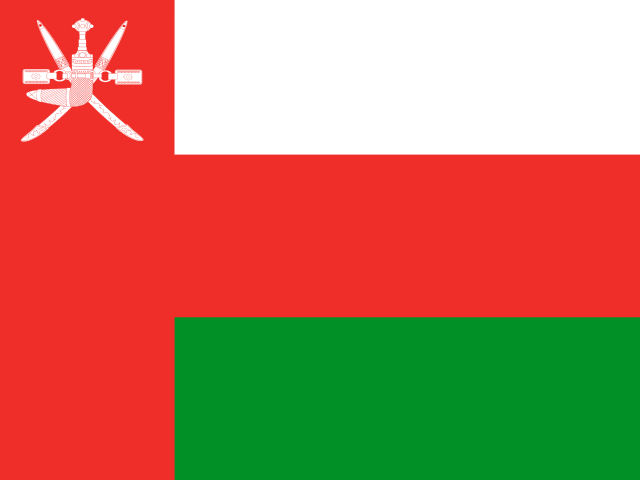
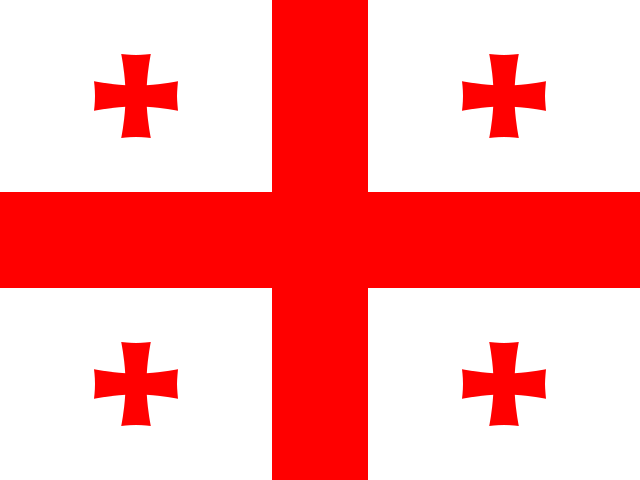
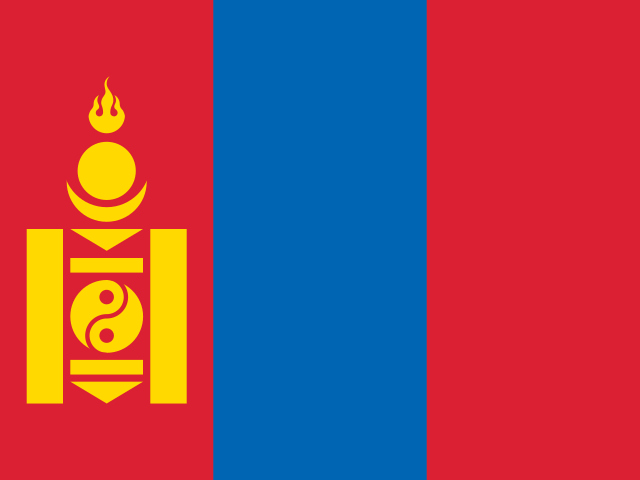
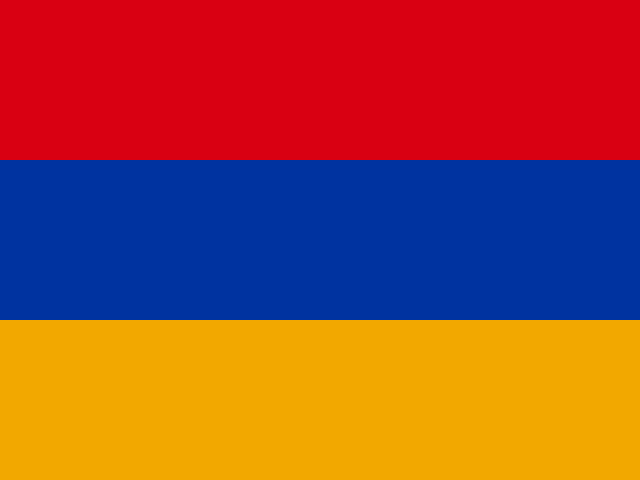
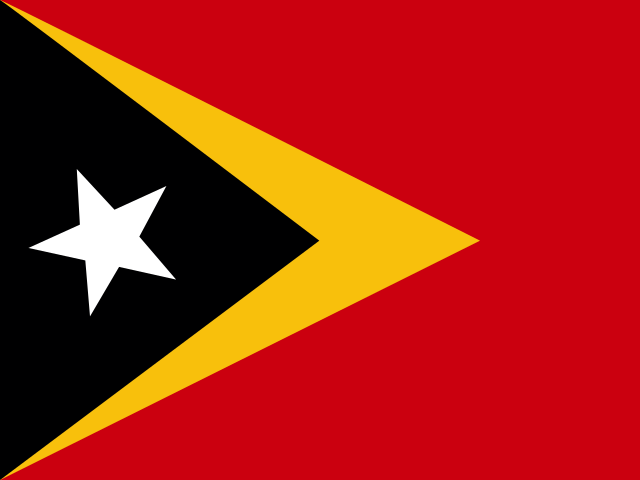
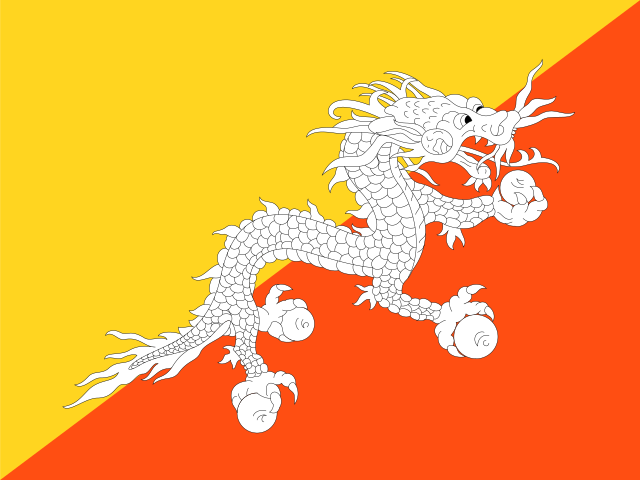
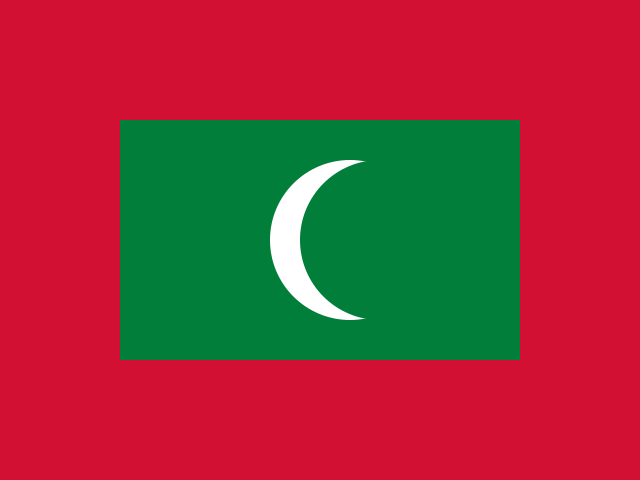
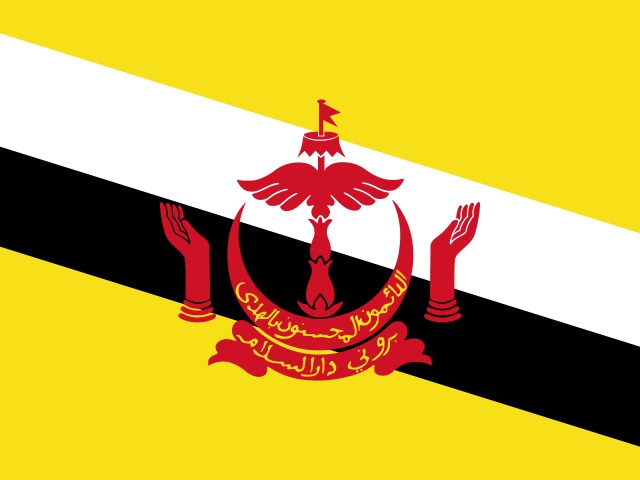
All 48 flags of Asia
Common questions
How many countries are in Asia?
48, counting Taiwan and Palestine alongside the UN members. They range from the simplest national flag on Earth, Japan's red disc, to the only non-rectangular one, Nepal's double pennant.
Which Asian flags are easiest to mix up?
Qatar and Bahrain are the pair everyone checks twice: both serrated at the hoist, but Bahrain is red with five points and Qatar is maroon with nine and much longer. The pan-Arab flags (Jordan, Kuwait, the UAE, Iraq, Syria and Yemen) are rearrangements of the same four colours, so learn the arrangement, not the colours.
What is the fastest way to learn the flags of Asia?
Group them by family first. The pan-Arab black, white, green and red covers much of the Middle East, and the crescent and star ties the Turkic states (Türkiye, Azerbaijan, Turkmenistan, Uzbekistan) together. Then drill the rest with spaced repetition so the red-and-white lookalikes stop blurring.
Other regions: Europe · Africa · Americas · Oceania · About this app